What a Roof Certification Is and Why It Matters
People seeking a roof certification aim to verify their roof’s condition for selling, buying, or insurance; local contractors can provide the inspection and certification services needed.
If you’re exploring the ins and outs of roof certifications and why they matter, you’ve come to the right place. Property owners in the area often find themselves needing a clear understanding of their roof’s condition-whether for buying or selling a home, planning renovations, or ensuring ongoing property value. A roof certification provides an official assessment of a roof’s current state, helping owners make informed decisions and avoid unexpected issues down the line. Local contractors who specialize in roof assessments can provide the expertise needed to determine if a roof meets the necessary standards, giving peace of mind in any real estate transaction or property management plan.
Understanding what a roof certification is and why it matters can be a practical step for property owners looking to protect their investment. These evaluations can highlight potential problems before they turn into costly repairs, and they often serve as a valuable tool during property inspections or insurance processes. Connecting with experienced service providers in the area ensures that the assessment is thorough and accurate, tailored to the specific needs of your property. Whether you're preparing to sell, buying a new home, or simply want to stay ahead of maintenance needs, learning about roof certifications and partnering with local experts can help keep your property in top shape.
- Roof certification services are often needed when homeowners or buyers want to verify the condition of a roof before purchasing or selling a property, and local contractors perform inspections to assess roof integrity and provide certification. When a property has experienced severe weather or shows signs of damage, local pros can evaluate whether the roof meets safety and durability standards for certification. Real estate transactions frequently require roof certifications, prompting local service providers to conduct thorough inspections to confirm the roof’s condition. For insurance claims following storm damage, local contractors can perform roof certifications to document the roof’s status and support claim processes. Homeowners seeking peace of mind or preparing for inspections may also contact local pros to obtain a roof certification verifying the roof’s current condition.
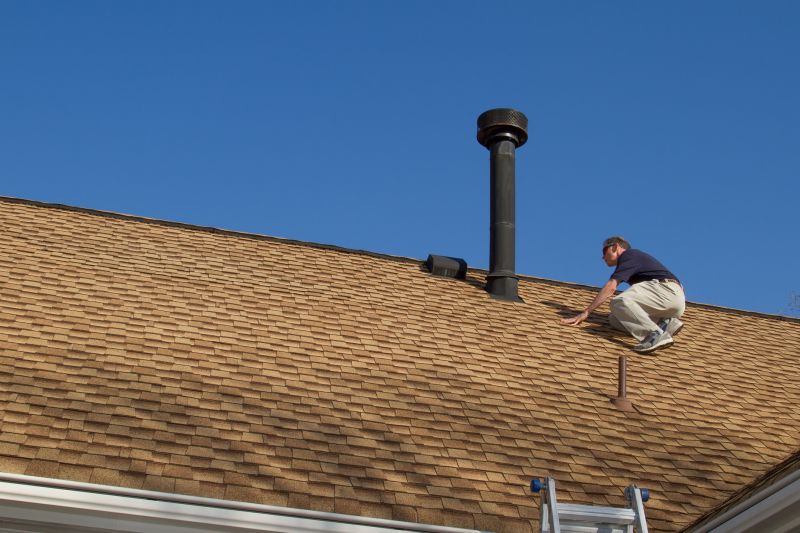
A roof certification is a document that verifies the current condition of a roof, often indicating whether it meets certain standards of integrity and durability. Homeowners searching for this topic typically want to understand the health of their roof, especially if they are planning significant projects like selling, refinancing, or insuring a property. A roof certification provides reassurance that the roof has been inspected and deemed suitable for its intended purpose, whether that’s protecting a home from weather or meeting lender requirements. It is a valuable step in ensuring the roof’s reliability and can serve as proof of its condition during real estate transactions or insurance claims.
This service is especially relevant for property owners involved in buying or selling homes, refinancing a mortgage, or preparing a house for an insurance policy. Problems that lead to seeking a roof certification often include signs of aging, previous damage, or recent repairs that need validation. Plans such as selling a home, obtaining a mortgage, or securing insurance coverage frequently require a roof certification to confirm that the roof is in good condition and unlikely to need immediate repairs. Local contractors who perform roof inspections and provide certifications can help identify potential issues early, saving homeowners from unexpected expenses later on.
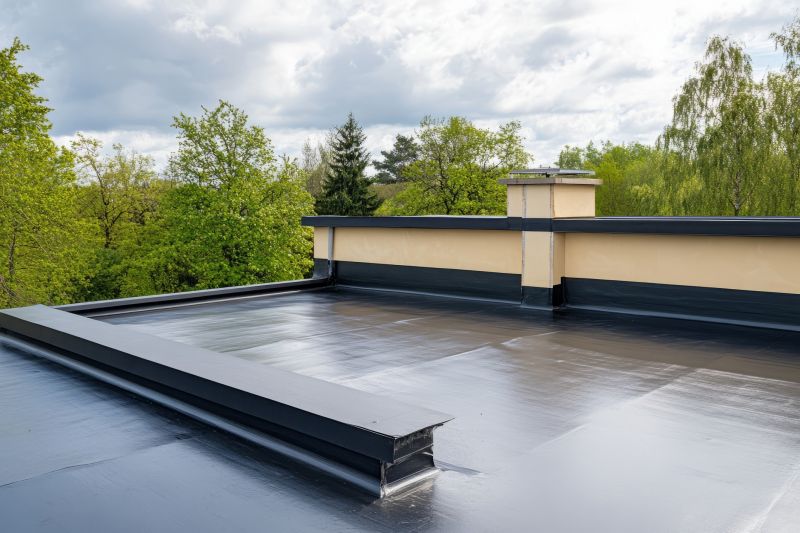
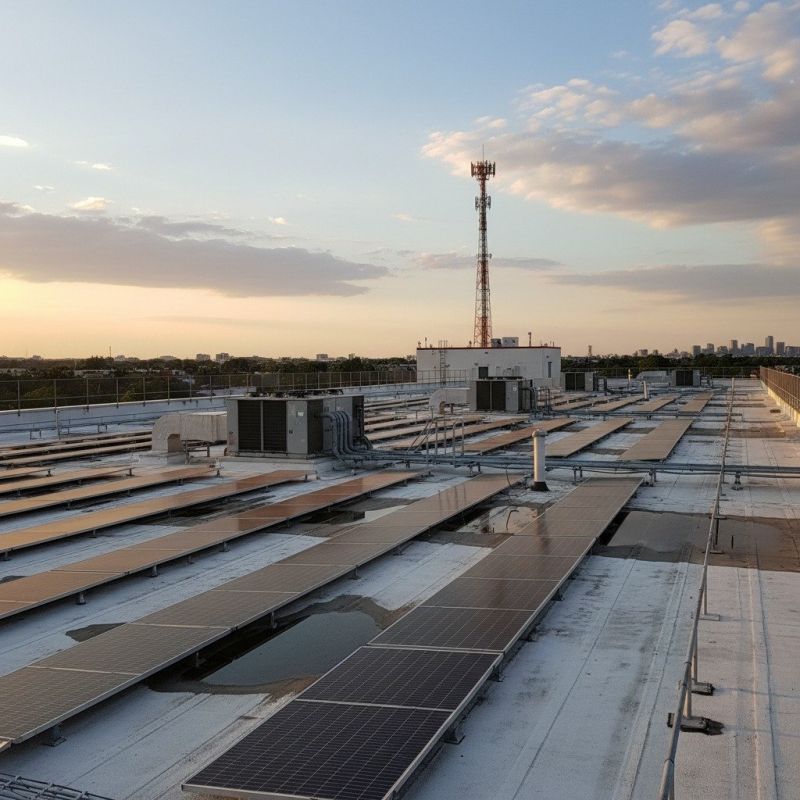
The types of properties that typically require a roof certification include residential homes, especially those with older roofs, as well as commercial buildings and multi-family complexes. Single-family houses are common candidates, particularly when they are being sold or refinanced. Commercial properties, such as retail stores or office buildings, may also need roof certifications to meet leasing or insurance requirements. In many cases, properties with flat or low-slope roofs, which can be more prone to leaks and damage, are especially likely to require a professional inspection and certification to verify their condition and longevity.
Understanding what a roof certification involves and why it matters helps homeowners connect with the right service providers for their needs. Local pros who specialize in roof inspections can thoroughly assess the condition of a roof, identify potential problems, and provide the necessary documentation for real estate transactions or insurance purposes. This process offers peace of mind by ensuring that the roof meets safety and structural standards, and it helps property owners plan for future maintenance or repairs. When considering a roof certification, it’s important to work with experienced local contractors who understand the specific requirements of the property and can deliver a clear, reliable assessment.
Roof Inspection Services - Professionals who perform detailed roof inspections assess the condition of roofing systems, a key component in obtaining accurate roof certifications.
Roof Repair and Maintenance - Local contractors specializing in roof repairs ensure that roofing systems meet safety and quality standards necessary for certification.
Structural Assessment Projects - Structural assessments of buildings include evaluating the roof’s integrity, which is essential when determining roof certification eligibility.
Home Inspection Services - Home inspectors often evaluate roofing conditions as part of comprehensive property evaluations, relating directly to roof certification processes.
Weatherproofing and Leak Prevention - Service providers focusing on weatherproofing help maintain roofing systems, supporting the certification process by preventing issues.
Building Inspection and Code Compliance - Inspectors who verify building codes often review roofing systems, aligning with the standards necessary for roof certification.

When evaluating service providers for a roof certification, it is important to consider their experience with similar projects. Homeowners should look for contractors who have a proven track record of performing roof assessments in residential settings similar to their own. Experienced local contractors are more likely to understand the specific requirements and standards related to roof certifications, ensuring the process is thorough and accurate. By reviewing the background and scope of previous work, homeowners can gain confidence that the provider has the necessary expertise to evaluate their roof properly.
Clear written expectations are essential when comparing roof certification services. Service providers should be able to outline what the certification process entails, including the steps involved, the criteria used for assessment, and what the homeowner can expect in terms of deliverables. Having this information in writing helps prevent misunderstandings and ensures that both parties are aligned on the scope of work. Homeowners should seek out providers who communicate their process transparently and provide detailed explanations, making it easier to compare options objectively.
Reputable references and effective communication are key factors in choosing a reliable contractor for roof certification. Homeowners can ask for references or reviews from previous clients to gauge the quality of service and professionalism. Good communication throughout the process-such as responsiveness to questions and clarity in explanations-helps build trust and ensures that any concerns are addressed promptly. Service providers who prioritize clear, ongoing communication and have verifiable references are more likely to deliver a smooth and satisfactory experience when obtaining a roof certification.
Property owners often search for what a roof certification is and why it matters when they are planning practical projects around their homes and businesses. Local pros provide Roof Certification services for everyday jobs and straightforward project options.
A roof certification is a document that confirms the current condition of a roof, often indicating whether it meets certain standards of durability and safety. Property owners in the area might look up this topic when preparing to sell or buy a home, as a certification can provide reassurance about the roof’s integrity or highlight areas that need attention. Additionally, those planning major renovations or refinancing may seek roof certification services to ensure their property is in good shape or to meet lender requirements. Local contractors who specialize in roof inspections and assessments can handle these certifications, helping property owners understand the state of their roofs and making informed decisions.
Understanding what a roof certification is and why it matters can also be important for property owners facing insurance claims or dealing with storm damage. A certification can serve as proof of the roof’s condition, which might be necessary for insurance purposes or to verify repairs. Homeowners considering a roof replacement may also opt for a certification to document the existing roof’s status before starting work. Local service providers experienced in roof evaluations can provide these certifications, offering a professional assessment that supports property transactions, repairs, or maintenance planning.
What is a roof certification? A roof certification is a document provided by a professional contractor that confirms the condition of a roof, indicating whether it meets certain standards or requires repairs. Local contractors perform inspections to assess the roof’s integrity and lifespan.
Why is a roof certification important? A roof certification can be essential for real estate transactions, insurance purposes, or property maintenance, as it offers assurance about the roof’s current condition and helps identify needed repairs.
How do local service providers determine if a roof needs certification? They evaluate the roof’s overall condition, check for damage or wear, and assess its ability to perform effectively, ensuring it meets safety and durability standards.
What are common reasons to get a roof certification? People often seek roof certifications when buying or selling a property, refinancing, or as part of routine maintenance to verify the roof’s condition and avoid unexpected repairs.
What should be included in a roof certification report? The report typically details the roof’s current state, any existing issues, recommendations for repairs or maintenance, and an assessment of its remaining lifespan, provided by experienced local contractors.
Understanding roof condition - property owners can use roof certification services to assess the current state of their roof before making decisions about repairs or replacements.
Preparing for property transactions - a roof certification can support buying or selling a home by providing verified information about the roof’s condition.
Planning maintenance projects - homeowners can rely on roof certification reports to identify areas needing attention and schedule repairs with local contractors.
Ensuring safety and compliance - property owners can use roof certification to verify that their roof meets local standards and is safe for occupancy.
If you are thinking about what a roof certification is and why it matters for a property, this guide is meant to help you understand this topic, the typical project types, and how different options might fit your plans.
When you are ready, you can use the quote form on this page to share a few details about your project. From there, local pros can review the basics and follow up with options that match what you have in mind.