Common Roofing Issues Found During a Roof Inspection
Homeowners seeking roof inspection often want to identify common roofing issues like leaks, damage, or wear, and local contractors can accurately detect and address these problems.
Understanding common roofing issues found during a roof inspection can be essential for property owners in the area. Whether dealing with aging materials, weather-related wear, or hidden damage, identifying these problems early can help prevent costly repairs down the line. Property owners who are planning to buy, sell, or simply maintain their homes often explore this topic to gain insight into what to look for and when to seek professional assistance. Local contractors who specialize in roof inspections can provide the expertise needed to thoroughly assess the condition of a roof and pinpoint potential issues before they escalate.
Keeping informed about typical roofing concerns encourages proactive maintenance and peace of mind. Regular inspections by experienced service providers are a practical way to catch issues like leaks, damaged shingles, or ventilation problems early on. This knowledge can also help property owners make informed decisions about repairs or replacements, ensuring the longevity of their roofs. For those interested in safeguarding their investment, connecting with local experts who understand the unique challenges of the area’s climate and building styles can be a valuable step toward maintaining a safe and durable roof.
- Shingle damage - homeowners noticing missing or cracked shingles may need a roof inspection to identify underlying issues that could lead to leaks, with local contractors assessing the damage thoroughly.
- Leaking roofs - signs of water intrusion often prompt a roof inspection to pinpoint leaks and their causes, with service providers inspecting flashing, seals, and damaged areas.
- Granule loss - excessive granules in gutters can indicate shingle deterioration, and local pros can evaluate the extent of wear during a detailed roof inspection.
- Sagging roof sections - visible sagging or uneven roof surfaces may require an inspection to determine structural concerns, with local contractors inspecting framing and support systems.
- Moss and algae growth - widespread growth can signal moisture retention issues, prompting a roof inspection to evaluate damage and recommend cleaning or repairs by local service providers.

When homeowners search for common roofing issues found during a roof inspection, they are typically looking to understand what problems might be lurking on their roofs that could lead to costly repairs or damage if left unaddressed. This topic is often connected to plans for routine maintenance, preparing for severe weather, or assessing damage after a storm. Many property owners want to know what signs to look for or what issues a professional inspection might uncover, especially in cases where a roof has not been examined in several years. Understanding these common problems helps homeowners make informed decisions about repairs and maintenance, ensuring their property remains protected and structurally sound.
The kinds of problems identified during a roof inspection usually fall into categories like damaged or missing shingles, signs of water intrusion, or structural issues. Common roofing issues include cracked or curling shingles, which can allow water to seep into the underlying layers, leading to leaks. Other frequent problems are damaged flashing around chimneys or vents, which can create pathways for water to enter the roof system. Inspections also often reveal issues like clogged gutters or insufficient ventilation, which can exacerbate existing problems or cause new ones. Recognizing these issues early can prevent minor repairs from escalating into major replacements, making inspections an essential part of maintaining a healthy roof.
The types of properties that commonly undergo roof inspections for these issues include single-family homes, multi-family residential buildings, and small commercial structures. Residential properties with asphalt shingles are particularly prone to issues like shingle deterioration and water damage, especially if they are older or exposed to harsh weather conditions. Multi-story homes or buildings with complex roof designs may present unique challenges for inspectors to identify hidden problems, such as leaks around valleys or dormers. Commercial properties with flat or low-slope roofs often face issues related to membrane damage, ponding water, or failed flashing. Local service providers are equipped to evaluate these diverse property types, helping homeowners and building managers identify problems specific to their roof styles and materials.
Understanding common roofing issues found during a roof inspection helps property owners prioritize repairs and maintenance plans. When a professional inspector visits, they thoroughly examine the roof for visible signs of wear, damage, or potential failure points that could compromise the roof’s integrity. These assessments are vital for identifying issues early, especially in properties that may have experienced severe weather events or have aging roofs. Local contractors who specialize in roof inspections offer the expertise needed to detect problems that might not be immediately apparent to the untrained eye. Connecting with these service providers can ensure that any issues uncovered are properly addressed, helping to extend the lifespan of the roof and protect the property’s value over time.
Gutter installation and repair - professionals in this field often inspect roofing systems for gutter-related issues that can cause water damage and leaks.
Roof ventilation projects - these projects require similar skills in assessing attic and roof system conditions to prevent moisture buildup and improve airflow.
Leak detection and repair services - identifying sources of leaks during roof inspections aligns closely with the expertise needed for roofing repairs and maintenance.
Flashing installation and repair - contractors handling flashing work are familiar with the details that prevent water intrusion, which is a common roofing issue.
Attic insulation services - inspecting and upgrading insulation involves evaluating roof condition and ventilation to ensure energy efficiency and prevent issues like mold.
Roof replacement projects - extensive roof work often begins with thorough inspections to identify underlying problems that could lead to future damage.
When evaluating local contractors for roof inspection services, it is important to consider their experience with similar projects, particularly those involving common roofing issues found during a roof inspection. Contractors who have a history of handling issues such as leaks, damaged flashing, or compromised shingles can often identify problems more efficiently and accurately. Inquiring about their previous work on similar roof types or issues can provide insight into their familiarity with common challenges and their ability to address them effectively, ensuring a thorough inspection process.
Clear, written expectations are essential when selecting a service provider for roof inspections. A reputable contractor should be able to outline what the inspection will cover, the scope of their assessment, and any potential follow-up steps or recommendations. This transparency helps ensure that homeowners understand what to expect and can compare different providers on the basis of professionalism and clarity. Well-documented expectations also serve as a foundation for effective communication throughout the project, reducing misunderstandings and fostering trust.
Reputable references and strong communication skills are key indicators of a reliable local contractor. Requesting references from previous clients or checking online reviews can provide valuable insights into the contractor’s reliability, professionalism, and quality of work. Additionally, a contractor who communicates clearly and promptly demonstrates a commitment to customer service, making it easier to discuss concerns, ask questions, and stay informed about the inspection process. These qualities help homeowners feel confident in their choice of service provider and ensure a smoother experience when addressing common roofing issues during the inspection.
Property owners often search for common roofing issues found during a roof inspection when they are planning practical projects around their homes and businesses. Local pros provide Roof Inspection services for everyday jobs and straightforward project options.
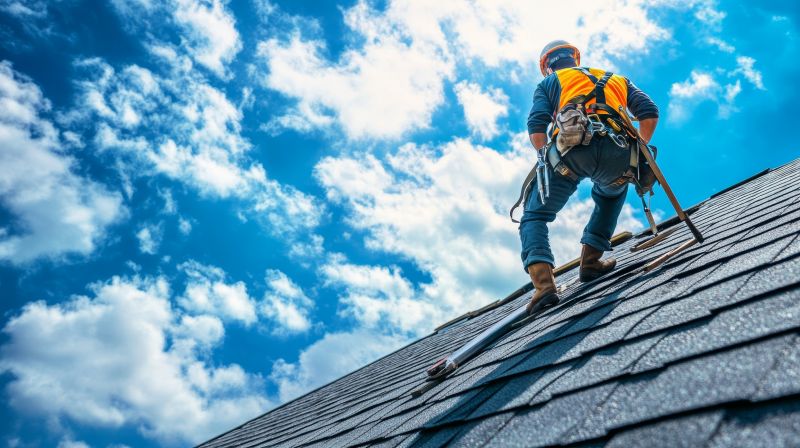
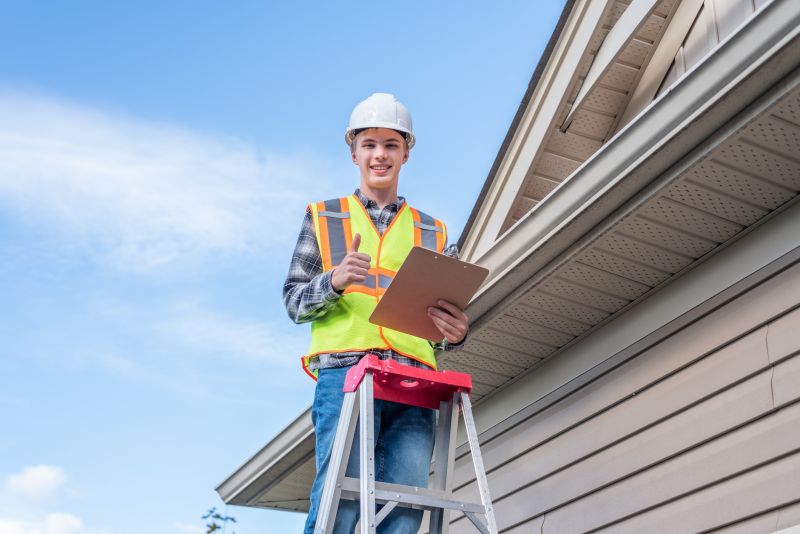
Homeowners in the area often seek roof inspection services after noticing signs like missing shingles, curling edges, or visible damage caused by severe weather. These common roofing issues can develop gradually or suddenly, making regular inspections a helpful way to catch problems early before they lead to leaks or structural concerns. Local contractors are experienced in identifying these everyday issues during routine inspections, helping property owners understand the condition of their roofs and determine if repairs or replacements are needed.
Other frequent findings during roof inspections include areas of granule loss, which can indicate aging shingles, and signs of water intrusion such as stains or mold growth. These issues are often caused by prolonged exposure to the elements or minor damage that has worsened over time. Engaging with local service providers ensures that these common roofing problems are properly assessed and addressed, supporting the longevity and safety of the roof. Regular inspections can provide peace of mind and help property owners maintain their homes effectively.
What are common roofing issues found during a roof inspection? Typical issues include damaged or missing shingles, signs of water leaks, deteriorated flashing, and sagging roof areas that may indicate structural problems.
How can a roof inspection identify potential problems early? A thorough inspection can reveal early signs of damage such as cracked shingles or rusted flashing, allowing local contractors to address issues before they worsen.
Why is it important to detect water leaks during a roof inspection? Water leaks can cause interior damage and mold growth; identifying them early helps prevent costly repairs and preserves the roof’s integrity.
What role does flashing play in roof health during an inspection? Flashing helps prevent water intrusion at roof joints; damaged or deteriorated flashing is a common roofing issue that local service providers can repair or replace.
Can sagging areas be identified during a roof inspection? Yes, sagging or uneven roof surfaces are signs of structural issues that local contractors can evaluate and address to ensure roof stability.
Identify and address damaged or missing shingles - property owners can use roof inspection services to spot shingles that are cracked, curled, or absent, helping them plan for repairs or replacements.
Detect signs of water intrusion or leaks - local contractors can examine attic spaces and roof surfaces for moisture or stains, preventing further interior damage.
Inspect flashing and sealant integrity - homeowners can ensure that roof flashing around vents and chimneys is intact, reducing the risk of leaks and water damage.
Evaluate gutter and drainage system condition - property owners can check for clogs or damage that may cause water to back up, emphasizing the importance of proper drainage during inspections.
If you are thinking about common roofing issues found during a roof inspection for a property, this guide is meant to help you understand this topic, the typical project types, and how different options might fit your plans.
When you are ready, you can use the quote form on this page to share a few details about your project. From there, local pros can review the basics and follow up with options that match what you have in mind.