How Often Roof Inspection Should Be Scheduled for Residential Homes
People seeking how often roof inspection should be scheduled for residential homes can rely on local contractors to provide expert assessments that help maintain roof safety and longevity.
If you’re a homeowner wondering how often roof inspection should be scheduled for residential homes, you’re in the right place. Regular roof inspections are a practical way to catch potential issues early, helping to prevent costly repairs down the line. Homeowners in the area often find that scheduling inspections at appropriate intervals can extend the lifespan of their roofs and maintain the overall integrity of their homes. Whether you’ve recently experienced a storm or simply want peace of mind, local contractors can provide expert assessments tailored to your property’s specific needs.
Understanding the recommended frequency for roof inspections can be especially important given the local climate and weather patterns. Many property owners choose to have their roofs checked periodically-often once or twice a year-to ensure everything remains in good condition. These routine inspections can identify small problems before they escalate, saving time and money. Service providers in the area are equipped to handle these inspections efficiently, offering the expertise needed to keep residential roofs in top shape and ready to withstand the elements.
- Routine Roof Inspection - homeowners should schedule inspections annually to identify early signs of damage or wear, with local contractors providing thorough assessments.
- Post-Storm Roof Inspection - after severe weather events, local service providers recommend inspections to evaluate potential damage and prevent further issues.
- Pre-Sale Roof Inspection - when preparing a home for sale, local pros can perform inspections to assess roof condition and support transparency with buyers.
- Roof Maintenance Check - regular inspections every few years help maintain roof integrity, especially for homes in areas with frequent weather changes, with local experts conducting comprehensive evaluations.
- New Roof Inspection - shortly after installation, local contractors suggest inspections to confirm proper installation and identify any immediate concerns.

When homeowners search for how often roof inspection should be scheduled for residential homes, they are usually looking for guidance on maintaining their property's integrity and preventing costly repairs. This question often arises when planning routine maintenance, preparing for weather-related events, or assessing the condition of an aging roof. People want to understand the ideal frequency to catch issues early, such as leaks, damaged shingles, or structural concerns, before they develop into more significant problems. The goal is to keep the roof in good shape, extend its lifespan, and protect the home’s interior from water damage, all while avoiding unnecessary or overly frequent inspections.
This topic is closely related to a variety of home improvement and maintenance plans. For example, homeowners may consider scheduling inspections after severe storms or high winds, which can cause damage that isn’t immediately visible. Others might want to plan regular inspections as part of a preventative maintenance routine, especially if the home is in an area prone to weather extremes or has an older roof. Additionally, those preparing to sell or refinance a property might seek an inspection to verify the roof’s condition. Addressing these concerns often involves consulting with local contractors who specialize in roof inspections, as they can provide expert evaluations and recommend appropriate inspection schedules based on the specific needs of the home.
The types of properties that typically come up in discussions about how often to schedule roof inspections include single-family homes, townhouses, and condominiums. Larger or multi-story residences with complex roof structures may require more frequent inspections to ensure all components are in good condition. Homes with a history of storm damage or those built with materials that age faster might also need more regular assessments. Even newer homes benefit from periodic inspections to confirm that installation and materials are holding up well over time. Local service providers who perform roof inspections are familiar with the unique requirements of different property types and can advise homeowners on an inspection schedule tailored to their specific property.
Ultimately, the frequency of roof inspections for residential homes depends on several factors, including the age of the roof, local climate, and recent weather events. Generally, it’s recommended to have a professional inspection at least once a year or every couple of years for most homes. More frequent inspections may be necessary after severe weather or if visible issues are present. Homeowners should consider engaging with local contractors who can provide regular assessments and help identify potential problems early. This proactive approach ensures the roof remains in good condition, minimizes unexpected repairs, and preserves the overall value of the home.
Gutter and fascia inspection projects involve evaluating the condition of roof edges and drainage systems, which are essential components to consider when planning regular roof inspections for residential homes.
Roof repair and maintenance projects require identifying issues early, similar to scheduled roof inspections, and often involve the same expertise and tools used by local contractors.
Attic ventilation and insulation projects relate to maintaining roof integrity and preventing damage, making them complementary to routine roof inspections for residential properties.
Storm damage assessment services focus on evaluating roof damage after severe weather, highlighting the importance of regular inspections to catch issues before they escalate.
Roof replacement planning projects involve assessing the current roof condition, which aligns with the goal of determining how often roof inspections should be scheduled for residential homes.
Exterior home inspection projects include evaluating roofing components as part of overall property assessments, emphasizing the role of regular roof inspections in home maintenance planning.
When evaluating different service providers for roof inspections, it is important to consider their experience with similar residential projects. Homeowners should seek out local contractors who have a proven track record of inspecting homes with comparable roof types, sizes, and ages. An experienced professional will understand the common issues associated with specific roofing materials and climates, ensuring that inspections are thorough and tailored to the property's unique needs. This background can help ensure that the inspection process is comprehensive and that any potential problems are identified early, providing peace of mind for homeowners concerned about how often roof inspection should be scheduled for residential homes.
Clear, written expectations are essential when comparing roof inspection services. Homeowners should look for service providers who can articulate what the inspection will cover, how long it will take, and what the next steps might be if issues are found. Having these details in writing helps prevent misunderstandings and ensures that homeowners know exactly what to expect from each inspection. It also provides a useful reference for determining whether the frequency of inspections aligns with the home's specific needs and the recommendations of the local pros, especially since factors like climate and roof condition can influence how often inspections should be scheduled.
Reputable references and good communication are key indicators of quality roof inspection services. Homeowners should seek out local contractors who can provide references from previous clients with similar homes or roofing concerns. Good communication throughout the process-such as timely responses to questions and clear explanations of findings-helps establish trust and confidence in the service provider. When homeowners can easily discuss their concerns and receive detailed, understandable information, they are better equipped to decide on the appropriate inspection schedule for their residence, ensuring ongoing protection and maintenance of the roof over time.
Property owners often search for how often roof inspection should be scheduled for residential homes when they are planning practical projects around their homes and businesses. Local pros provide Roof Inspection services for everyday jobs and straightforward project options.
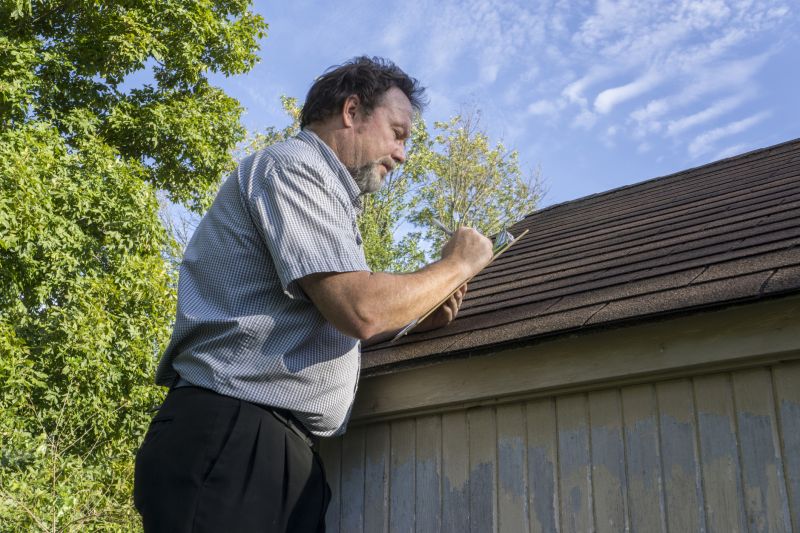
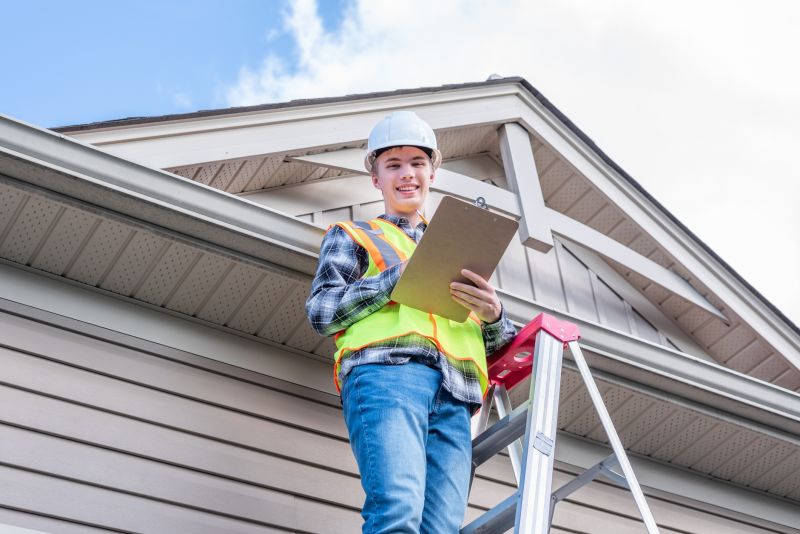
Regular roof inspections are an important part of maintaining a residential property, especially in areas where weather conditions can vary throughout the year. Many property owners in the area look up how often roof inspection should be scheduled for residential homes to stay ahead of potential issues such as leaks, damaged shingles, or wear and tear caused by seasonal changes. For homeowners, scheduling routine inspections with local contractors can help identify minor problems early on, preventing costly repairs down the line and ensuring the roof remains in good condition for years to come.
In addition to seasonal changes, certain situations may prompt property owners to seek out roof inspection services more frequently. For example, after severe storms or high winds, a quick check-up by local service providers can ensure that the roof has not sustained damage. Homeowners who notice signs of aging or minor issues like missing shingles or water stains might also consider regular inspections to keep their roofs in optimal shape. Connecting with experienced local contractors can provide peace of mind and help determine the best inspection schedule based on the specific needs of the home.
How often should I schedule a roof inspection for my home? Generally, it is recommended to have a roof inspection at least once a year. Local contractors can provide inspections tailored to your home's specific needs and conditions.
Are there specific times of year when roof inspections are more important? Yes, scheduling inspections after severe weather events or during the spring and fall can help identify potential issues early. Local service providers can advise on the best timing based on your location.
How frequently should I get a roof inspection if my home is in a high-wind or storm-prone area? Homes in storm-prone areas should consider more frequent inspections, such as biannual or after major storms, to ensure the roof remains in good condition. Local pros can recommend an appropriate schedule.
Is it necessary to have a roof inspection if I haven't noticed any damage? Even without visible damage, regular inspections can catch minor issues before they become costly repairs. Local contractors offer routine inspections to maintain roof integrity.
How do I determine the right inspection frequency for my specific roof? The ideal frequency depends on factors like roof age, material, and local climate. Consulting with local pros can help establish a maintenance schedule suited to your home's needs.
Regular inspections for roof health can help property owners identify potential issues early and schedule repairs with local contractors before problems worsen.
Seasonal roof evaluations are practical for homeowners in areas with severe weather, ensuring roofs are prepared for upcoming conditions with the help of local service providers.
Post-storm roof assessments allow residents to promptly address damage caused by weather events by connecting with local pros for thorough inspections.
Annual roof check-ups are recommended for maintaining the longevity of a roof and can be coordinated with local contractors to fit into routine home maintenance plans.
If you are thinking about how often roof inspection should be scheduled for residential homes for a property, this guide is meant to help you understand this topic, the typical project types, and how different options might fit your plans.
When you are ready, you can use the quote form on this page to share a few details about your project. From there, local pros can review the basics and follow up with options that match what you have in mind.